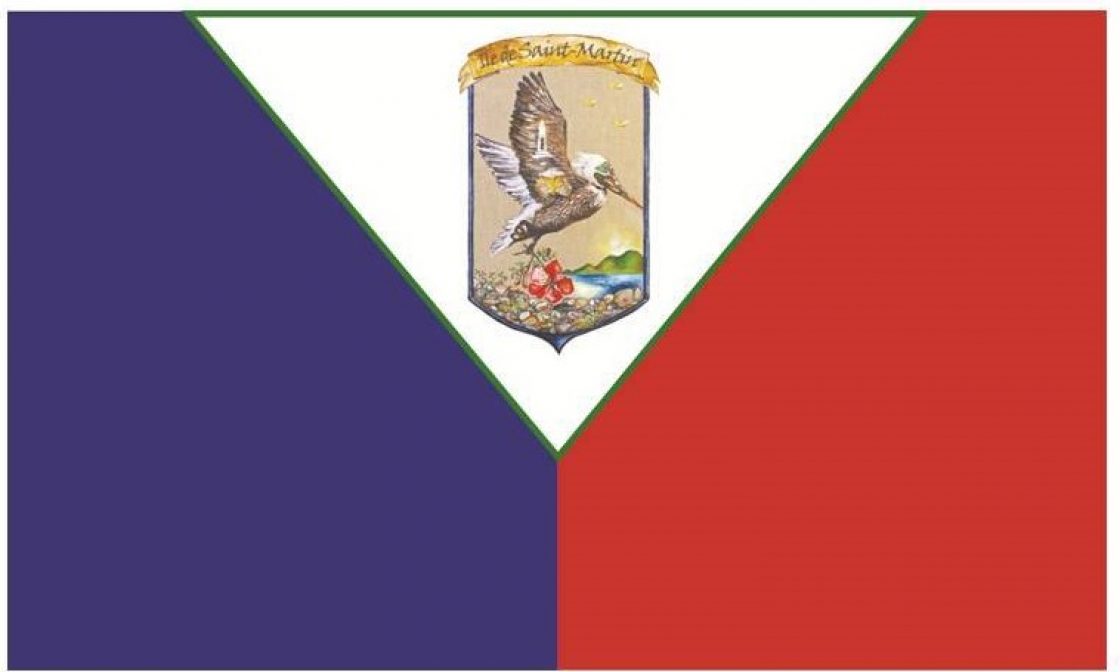
Contribution to an ever on going debate for those who have recently arrived, and for those who need their memory to be refreshed.
It is not really always necessary to go back more than a few decades to understand the consequences of the then events, on what we live today… and I choose to concentrate on what took place in the late 70s and mostly in the 80s…
what a decade !
1980 to 1990, the demographic explosion.
Here are some figures :
| 1960 | 4 500 inhab | |
| 1980 | 8 000 inhab | The population is only close to doubling
in 20 years |
| 1982 | 8000 hab | |
| 1988 | 24000 hab | The population triples in 6 years |
That is when it became relevant to distinguish indigenous people from the non indigenous.
Then also appeared the notion of communauties. You belong to one or the next depending on where you migrated from. This is true even if, from a philosophical stand point, we belong to one big family called humanity. Reality check obliges us to, litterally, see and hear the differences of life experiences that one group has compared to the next
It is easy then to distinguish : The haitian community, the dominican community, the « metropolitan community », the indian community, the chinese community, the dominiquian community, and some others of smaller size or of more recent creation.
And also, their are The Sin maatiners. I consciously choose not to categorise us, as a community among the others, since I think that it is legitimate for this group to benefit of a certain pre eminence, on the land where they sucked the most salt (litterally), they carried the most rocks and left the most sweat in the grounds, before surely but also since 1848 in the abolition of slavery laws…
Each of these groups kept their native language and some of their cultural habits (eating, dancing, religious and national celebrations…), but, almost all of these groups found it necessary to keep sinmarten english as the common language, this, not only because when they came here, it was sinmarten english that was predominant, but also because english happens to be predominant in the caribbean, and english happens to be very usefull for business and work on this island.
This demographic explosion resulted in a societal silent revolution.
Anyone that left here in the 80’s, will scarcely find his way 30 years later, in 2018…
-
- Because he will meet on the streets and in the shops, people that he will perceive as strangers, (and they are the people that might be in a position to inform our valuable tourist on what sinmarten is)
- Because he will see lots of buildings that didn’t exist : In Nettle bay, Hope estate, Spring-Concordia, La Savane, Anse-Marcel, etc
- Because he will not be able to meet the mayor nor a general counselor. And he will not even recognise the family names of half of his elected representatives.
So much changes in so a short time !
Some contributing factors that created this situation are :
-
- 1981 : François Miterrand becomes the first socialist president of France since WW2. It is rumored that Rich French people, out of fear that a socialist government might take their money, became fiscal runaways and some of them brought their suitcases to the free port of Saint-Martin… with its good neighbours, Sint maarten and Anguilla. But I don’t have proof and I don’t know the extent of this.
- 1986 : Defiscalisation laws aiming at developping the french overseas territories. Construction of hotel rooms became very good business for investors from France… and construction needs a numerous work force with little qualification. The then local administration encouraged the system. That is what accelerated immigration from caribbean islands.
- A skyrocketting tourism industry on the dutch side combined with an attractive and effective social safety net on the french side maintains a high rate of immigration… more so that control of immigration is very poorly coordinated… to say the least.
The Population witnessed history in the making without measuring the long term consequences of what was taking place, because every one had a job, even if he did’nt go to school. A barman or a masson could make more money than a teacher.
Then came Luis…
 Organised thoughts - pensées organisées